

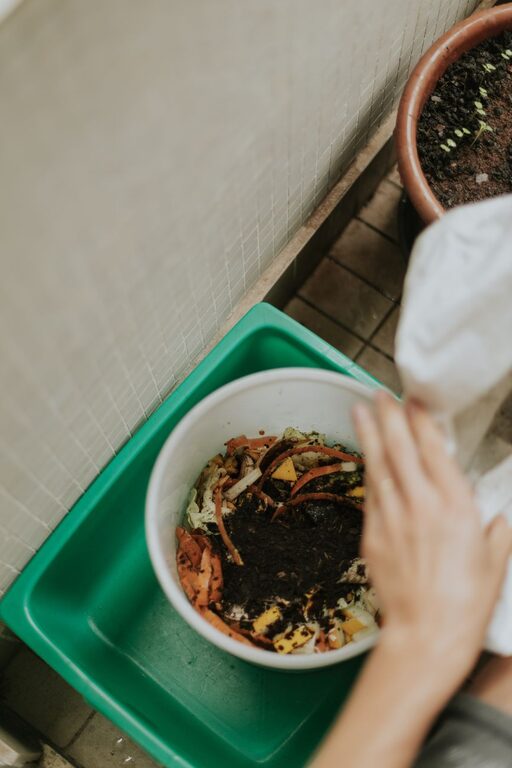
Composting is a fantastic way to reduce waste, enrich your garden soil, and support a healthier environment. If you’ve been thinking about starting composting at home but don’t know where to begin, this guide will walk you through the basics and offer practical tips to get your compost pile thriving.
What is Composting?
Composting is the natural process of recycling organic matter, such as food scraps and yard waste, into a rich soil amendment called compost. It helps reduce the amount of garbage sent to landfills and provides plants with nutrients for healthy growth.
Why Compost at Home?
– Reduces Waste: Composting diverts kitchen scraps and yard debris from the trash.
– Improves Soil: Compost adds valuable nutrients and improves soil texture.
– Saves Money: Less need to buy commercial fertilizers and soil conditioners.
– Supports the Environment: Reduces methane emissions from landfills and promotes sustainable gardening.
Getting Started: What You’ll Need
You don’t need fancy equipment to start composting. Here’s what you’ll need:
– Compost Bin or Pile: You can use a commercial compost bin, a homemade bin from wood pallets, or simply create a small pile in your yard.
– Kitchen Scraps: Fruit and vegetable peels, coffee grounds, tea bags, eggshells.
– Yard Waste: Leaves, grass clippings, plant trimmings (avoid diseased plants).
– Water: Moisture is important to help break down materials.
Choosing the Right Location
Pick a spot in your yard that is:
– Shady or Partly Shaded: Keeps your compost from drying out.
– Well-drained: Avoid soggy areas.
– Accessible: Makes turning and adding materials easier.
If you’re limited on space, consider a small bin or even indoor composting methods like vermicomposting with worms.
What to Compost: Brown vs. Green Materials
Successful composting depends on balancing two types of materials:
Green Materials (Nitrogen-rich)
– Fruit and vegetable scraps
– Coffee grounds and tea leaves
– Fresh grass clippings
– Plant trimmings
Brown Materials (Carbon-rich)
– Dry leaves
– Straw or hay
– Shredded paper and cardboard (non-glossy)
– Small branches or twigs
A good rule of thumb is to aim for roughly 2 to 3 parts brown materials for every 1 part green material. This balance helps the compost heat up and break down efficiently.
What Not to Compost
Avoid adding the following to your compost:
– Meat, dairy, and oily foods (can attract pests)
– Pet waste
– Diseased plants or weeds with seeds
– Invasive plants
– Chemically treated wood or plants
How to Build Your Compost Pile
- **Start with a base layer:** Rough materials like small branches help with airflow.
- **Add alternating layers:** Alternate green and brown materials.
- **Moisten each layer:** Water lightly to keep materials damp but not soaking.
- **Turn regularly:** Mix the pile every 1-2 weeks to aerate and speed decomposition.
Maintaining Your Compost
– Keep it moist: Like a wrung-out sponge, moist but not soggy.
– Turn frequently: Aeration helps microbes break down materials.
– Monitor temperature: A hot pile (between 130–160°F) breaks down materials faster. Use a compost thermometer if you like, but it’s not required.
– Adjust balance: If the pile smells bad, add more brown materials. If it’s dry, add water or green materials.
How Long Does Composting Take?
Depending on conditions and how often you turn it, compost can be ready in as little as 2-3 months or up to a year. Finished compost is dark, crumbly, and smells earthy.
Using Your Finished Compost
Once your compost is ready:
– Mix it into garden beds to improve soil structure.
– Use it as mulch around plants to retain moisture.
– Add to potting mixes for container plants.
Troubleshooting Common Issues
– Compost smells bad: Usually too wet or too much green material. Add browns and turn the pile.
– Pile not decomposing: Might be too dry or compacted. Add water and turn it.
– Pests in compost: Avoid meat/dairy and cover fresh scraps with browns.
Tips for Success
– Chop or shred materials for faster breakdown.
– Keep a small kitchen scrap container to collect compostables daily.
– Use a compost bin with a lid to keep critters away.
– Be patient and consistent—composting is a gradual process.
Final Thoughts
Composting at home is a rewarding way to reduce waste and create nutrient-rich soil. Starting simple and following these beginner tips will set you up for success. Over time, you can experiment with different methods and materials to find what works best for your home and garden.
Happy composting!