

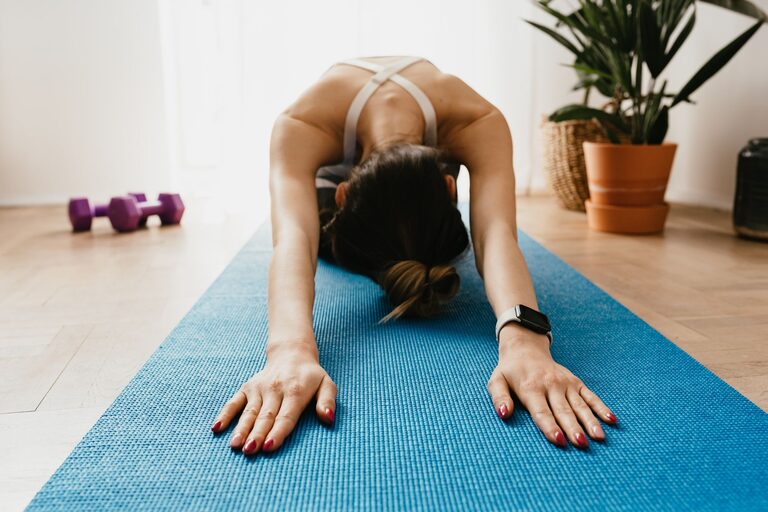
Stretching is a simple yet powerful practice that can bring many benefits to your body and mind. Whether you want to improve flexibility, ease muscle tension, or prepare for exercise, stretching at home is a great way to take care of yourself without needing special equipment or a gym membership. This beginner’s guide will walk you through the basics of stretching, share some easy routines, and offer tips to help you stretch safely and effectively.
Why Stretching Matters
Stretching helps improve the range of motion in your joints and muscles. Regular stretching can:
– Increase flexibility and mobility
– Reduce muscle stiffness and soreness
– Improve posture
– Enhance circulation
– Help prevent injuries
– Promote relaxation and reduce stress
Incorporating stretching into your daily routine, even for just 10–15 minutes, can make a noticeable difference in how your body feels and moves.
When and How Often to Stretch
You can stretch at any time of day, but here are some common options:
– Morning: Gentle stretches can wake up your muscles and prepare your body for the day.
– Before exercise: Dynamic stretches (moving stretches) help warm up your muscles.
– After exercise: Static stretches (holding a stretch) can aid recovery and prevent stiffness.
– Evening: Stretching can relax your body before bedtime.
Aim for regularity. A few minutes daily can be more helpful than longer sessions done sporadically.
Basic Stretching Guidelines for Beginners
Before you start, keep these tips in mind to make your stretching safe and effective:
- **Warm up briefly:** Stretch after a light warm-up like walking or marching in place for 3–5 minutes.
- **Stretch slowly:** Avoid bouncing or jerky movements.
- **Hold steady:** Hold each stretch for 15–30 seconds.
- **Breathe deeply:** Don’t hold your breath; breathe naturally and relax.
- **Don’t push to pain:** Stretch until you feel gentle tension, not sharp pain.
- **Focus on symmetry:** Stretch both sides of your body equally.
- **Wear comfortable clothing:** Loose, breathable clothes help you move freely.
Essential Stretches to Start With
Here are some beginner-friendly stretches targeting major muscle groups. Perform each stretch on both sides where applicable.
1. Neck Stretch
– Sit or stand tall.
– Gently tilt your head toward your right shoulder until you feel a stretch on the left side of your neck.
– Hold for 20 seconds.
– Repeat on the left side.
2. Shoulder Stretch
– Bring your right arm across your chest.
– Use your left hand to press your right arm closer to your chest.
– Hold for 20–30 seconds.
– Switch arms.
3. Chest Stretch
– Stand near a wall or doorway.
– Place your right hand and forearm against the wall at shoulder height.
– Gently turn your body away from your right hand to feel a stretch in your chest.
– Hold for 20 seconds.
– Switch sides.
4. Triceps Stretch
– Reach your right arm overhead and bend the elbow to touch the middle of your back.
– Use your left hand to gently push on your right elbow.
– Hold for 20 seconds.
– Switch arms.
5. Seated Hamstring Stretch
– Sit on the floor with both legs stretched out in front.
– Keep your back straight and slowly lean forward from the hips, reaching toward your toes.
– Hold for 30 seconds.
– Avoid rounding your back; only go as far as comfortable.
6. Quadriceps Stretch
– Stand on your left leg and bend your right knee, bringing your right heel toward your buttocks.
– Hold your ankle with your right hand.
– Keep your knees close and stand tall.
– Hold for 20–30 seconds.
– Switch legs.
7. Calf Stretch
– Stand facing a wall.
– Place your hands on the wall.
– Step your right foot back, keeping it flat on the floor and your leg straight.
– Bend your left knee and lean forward slightly.
– Hold for 20 seconds.
– Switch legs.
8. Lower Back Stretch (Child’s Pose)
– Kneel on the floor and sit back on your heels.
– Stretch your arms forward and lower your chest toward the floor.
– Relax your forehead on the ground.
– Hold for 30 seconds.
Creating Your Own Stretching Routine
You can mix and match these stretches to make a routine that fits your needs and time. Here’s a sample beginner routine:
- Neck Stretch – 20 seconds each side
- Shoulder Stretch – 20 seconds each side
- Seated Hamstring Stretch – 30 seconds
- Quadriceps Stretch – 20 seconds each side
- Calf Stretch – 20 seconds each side
- Lower Back Stretch (Child’s Pose) – 30 seconds
Aim to complete this sequence once a day and adjust as you get more comfortable.
Additional Tips for Success
– Listen to your body: Progress comes with consistency, not intensity.
– Stay hydrated: Drink water before and after stretching.
– Use props if needed: A yoga strap or towel can help with hamstring stretches.
– Combine with other activities: Walking, gentle yoga, or light strength training complement stretching well.
– Track your progress: You might notice improvements in flexibility, posture, and muscle relaxation over time.
When to Avoid Stretching
Avoid stretching if you have:
– Acute injuries or inflammation in the area
– Severe pain during movement
– Certain medical conditions without consulting a healthcare professional
If unsure, it’s best to speak with a physical therapist or fitness expert.
Final Thoughts
Stretching at home is an easy and effective way to keep your body flexible and comfortable. With just a few minutes daily, you can improve your mobility, reduce muscle tension, and feel more energized throughout the day. Remember to be patient, gentle, and consistent, and enjoy the benefits that come with a regular stretching routine.
Try these stretches today and make movement a joyful part of your everyday life!