

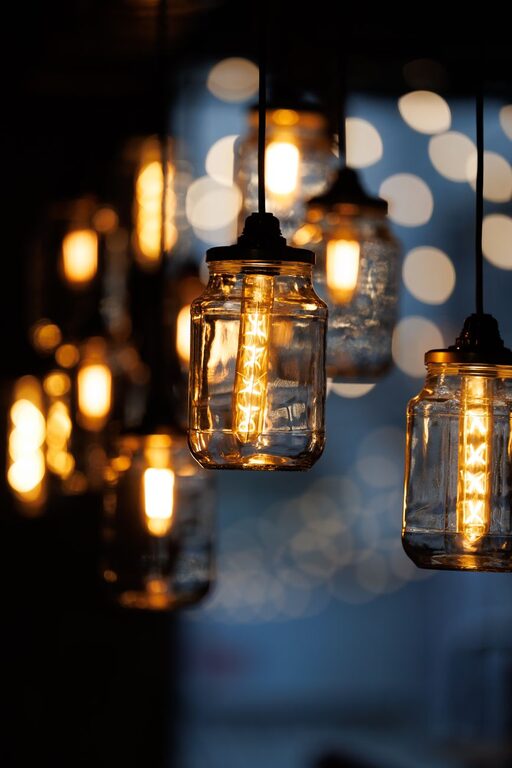
Creating a comfortable lighting environment in your home is essential for both functionality and mood. The right lighting can make your rooms feel welcoming, cozy, and tailored to your daily activities. Choosing lighting that is comfortable means considering brightness, color temperature, placement, and energy efficiency. In this post, we’ll walk you through practical tips for selecting home lighting that enhances your living spaces while providing comfort and style.
Understanding the Basics of Comfortable Home Lighting
Before diving into specific tips, it helps to understand what makes lighting comfortable. Comfortable lighting is generally:
– Soft, non-glaring, and easy on the eyes
– Well-distributed to avoid harsh shadows or overly bright spots
– Appropriate in color temperature to match the room’s use and mood
– Adjustable to suit different activities and times of the day
Balancing these factors creates an atmosphere that supports relaxation, productivity, or socializing depending on the room.
Consider the Purpose of Each Room
Different rooms in your home require different lighting solutions. Consider how you use each space:
– Living Room: A space for relaxation and entertaining, so layering lights—ambient, task, and accent—is key.
– Kitchen: Bright, functional lighting helps with meal preparation; task lighting under cabinets is helpful.
– Bedroom: Soft, warm lighting promotes relaxation; dimmers can help set a calming mood.
– Bathroom: Clear, bright lighting is important for grooming but avoid harsh overhead lights that create shadows.
– Home Office: Bright, cool lighting boosts focus and reduces eye strain.
Knowing your lighting needs room by room allows you to choose fixtures and bulbs that serve both comfort and function.
Choose the Right Bulbs: Brightness and Color Temperature
Lighting comfort heavily depends on the bulbs you pick. Here’s what to keep in mind:
Brightness (Measured in Lumens)
– Lower lumens = softer, dimmer light
– Higher lumens = brighter, more intense light
For cozy areas like bedrooms, bulbs with 450–800 lumens usually work well. Task areas require brighter lighting—800–1600 lumens or more, depending on the task.
Color Temperature (Measured in Kelvins)
– Warm White (2700K to 3000K): Creates a cozy, relaxing atmosphere, ideal for living rooms and bedrooms.
– Neutral White (3500K to 4100K): Balanced light suitable for kitchens and bathrooms.
– Cool White/Daylight (5000K to 6500K): Bright and energizing, great for workspaces and reading areas.
Choosing the right color temperature helps create the mood you want while supporting your activities.
Layer Your Lighting for Flexibility
Using multiple layers of lighting offers both comfort and versatility. The three main types are:
– Ambient Lighting: The general lighting for the entire room, such as ceiling fixtures or recessed lights.
– Task Lighting: Focused lighting for specific activities like reading lamps or under-cabinet kitchen lights.
– Accent Lighting: Decorative lighting to highlight artwork, plants, or architectural features.
By combining these layers, you can adjust lighting levels to fit different times of day and activities, enhancing comfort.
Use Dimmers and Smart Controls
Dimmers are an excellent way to control light intensity. They allow you to soften bright lights when relaxing in the evening or brighten them for cleaning or work tasks. Many modern bulbs are compatible with dimmer switches.
Smart lighting systems take this a step further by letting you adjust brightness and color temperature from your phone or with voice commands. Scheduling features can automatically adjust lighting throughout the day to match natural circadian rhythms, which supports comfort and well-being.
Position Lighting Thoughtfully to Reduce Glare and Shadows
Where you place your lights affects comfort significantly. Avoid placing bright bulbs directly in your line of sight to reduce glare. Consider these tips:
– Use lampshades or diffusers to soften light.
– Position task lighting close to where you need it but angled to prevent direct glare.
– Use indirect lighting by bouncing light off walls or ceilings for a softer glow.
– Avoid overly bright overhead lighting that casts harsh shadows.
Proper placement enhances visual comfort and makes the space feel more inviting.
Opt for Energy-Efficient Lighting Options
Comfortable lighting doesn’t have to come at a high energy cost. LED bulbs are now widely available, energy-efficient, and long-lasting. They also come in various color temperatures and dimmable options, making them a versatile and eco-friendly choice.
Using energy-efficient lighting helps reduce electricity bills and environmental impact without sacrificing comfort or style.
Match Lighting Style to Your Home Decor
Comfortable lighting is also about how it fits with your home’s design. Choose fixtures that complement your interior style—whether modern, traditional, rustic, or minimalist. Stylish lighting fixtures that suit your taste can make your home feel more harmonious and inviting.
Final Checklist for Choosing Comfortable Home Lighting
– Determine the function of each room to decide lighting needs
– Select bulbs with appropriate brightness and warm color temperature for comfort
– Use layered lighting (ambient, task, accent) for flexibility
– Install dimmers or use smart lighting for easy adjustment
– Position lights to reduce glare and harsh shadows
– Choose energy-efficient LED bulbs
– Pick fixture styles that match your decor
Conclusion
Choosing comfortable home lighting is about balancing light quality, function, aesthetics, and energy efficiency. With thoughtful planning and the right products, you can create a home filled with beautiful, cozy light that supports your daily life. Start by assessing your rooms and needs, then experiment with bulb types and layered lighting to find what feels best for you. Comfortable lighting makes your home more welcoming and enjoyable day and night.